
When children are unable to remain with their biological families, they may be cared for in different types of environments. Two common approaches are foster care and children’s homes.
While both aim to provide safety and support, they differ in how care is structured and experienced by children. Understanding these differences can help highlight the importance of creating stable, loving family environments for children to grow and thrive.
What Is Foster Care?
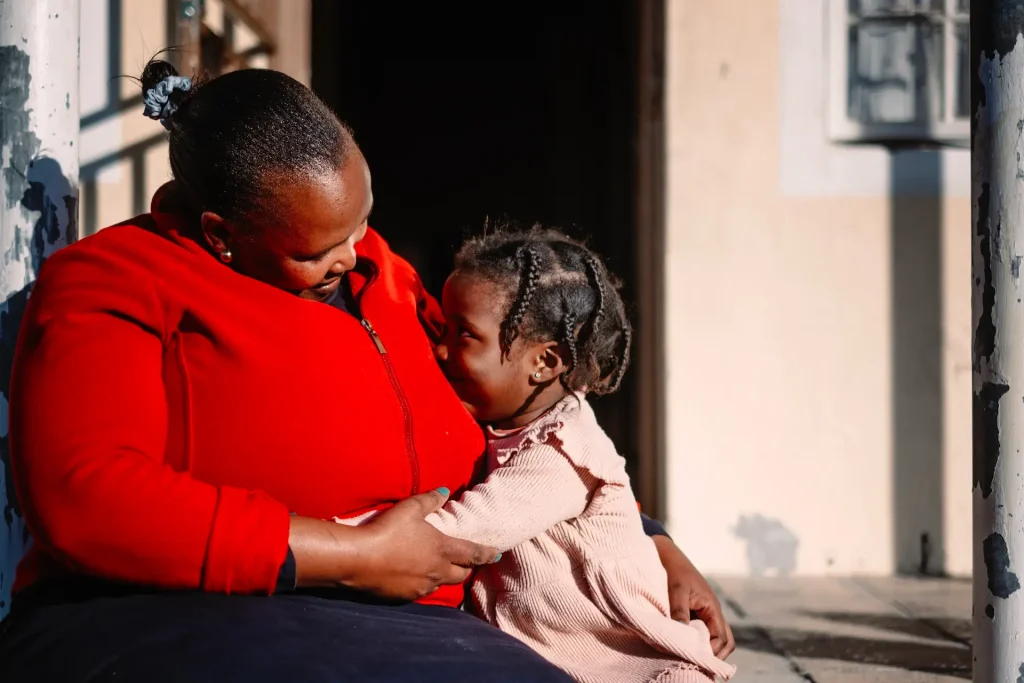
Foster care provides children with the opportunity to grow up in a family environment when they are unable to remain with their biological families. Children receive daily care, guidance, and support from dedicated foster mothers within a loving home.
There are different ways foster care can be provided. Home from Home operates a registered Cluster Foster Care Scheme, which enables multiple foster homes to be supported under one organisation while maintaining the benefits of family-based care.
Through this model, each foster home remains embedded within its local community and is supported through professional oversight, training, and ongoing social work support.
What Are Children’s Homes?
Children’s homes provide care for children in a shared residential setting, often supporting a larger number of children within one environment.
These homes are structured to meet children’s needs and provide supervision, care, and access to education and services.
Many children’s homes play an important role in supporting vulnerable children, particularly where alternative care options are limited.
Key Differences in Care Experience
While both approaches aim to support children, the experience of care can differ in important ways.
In foster homes:
- children grow up in small family units
- relationships with foster mothers are consistent
- daily life reflects a family environment
- children develop a strong sense of belonging
In children’s homes:
- care is shared across a larger group of children
- staff roles may vary across shifts
- environments are structured to support multiple children at once
These differences influence how children experience stability, relationships, and daily life.
Why Family-Based Care Matters
Growing up in a loving family environment plays an important role in a child’s development.
Family-based foster homes provide:
- consistent relationships
- emotional connection
- stability over time
- a sense of identity and belonging
At Home from Home, we believe that children thrive in environments where they feel known, supported, and part of a family.
A Loving Family Approach
Home from Home’s foster homes are designed to create loving family environments where children can grow and develop with stability and care.
Each home is intentionally small, with dedicated foster mothers who build long-term relationships with the children in their care.
We believe that family is forever; that the relationships formed in our homes continue to support children beyond their time in care.
Supporting Children Through Foster Care
Providing foster care requires a strong support system.
At Home from Home, foster homes are supported by:
- social workers
- educational programmes
- emotional and developmental support
- independent living support for young people
This ensures that children receive consistent care throughout their journey.
Frequently Asked Questions
What is the difference between foster care and children’s homes?
Foster care places children within loving family-style homes where they receive daily care from dedicated foster mothers. Children’s homes provide care within a shared residential setting that supports a larger number of children.
Why is family-based foster care important?
Family-based foster care helps children experience stable relationships, belonging, and emotional support within a loving home environment. These consistent relationships play an important role in healthy development.
How many children live in a Home from Home foster home?
Home from Home’s foster homes are intentionally small, with no more than six children living together within a family-style environment.
What support do foster homes receive?
Home from Home’s foster homes are supported by social workers, educational programmes, emotional and therapeutic support services, and independent living support for young people preparing for adulthood.
What does “Family is forever” mean?
At Home from Home, we believe that the relationships formed within loving foster homes continue beyond childhood. Ongoing connection, support, and belonging remain important even after young people transition into independent living.
How You Can Support Children in Foster Care
Supporting foster care helps create opportunities for vulnerable children to grow up in safe and loving environments.
You can support this work by:
- donating
- partnering with organisations
- raising awareness
- supporting community-based initiatives
Your support helps ensure that more children can experience the stability of a loving family.