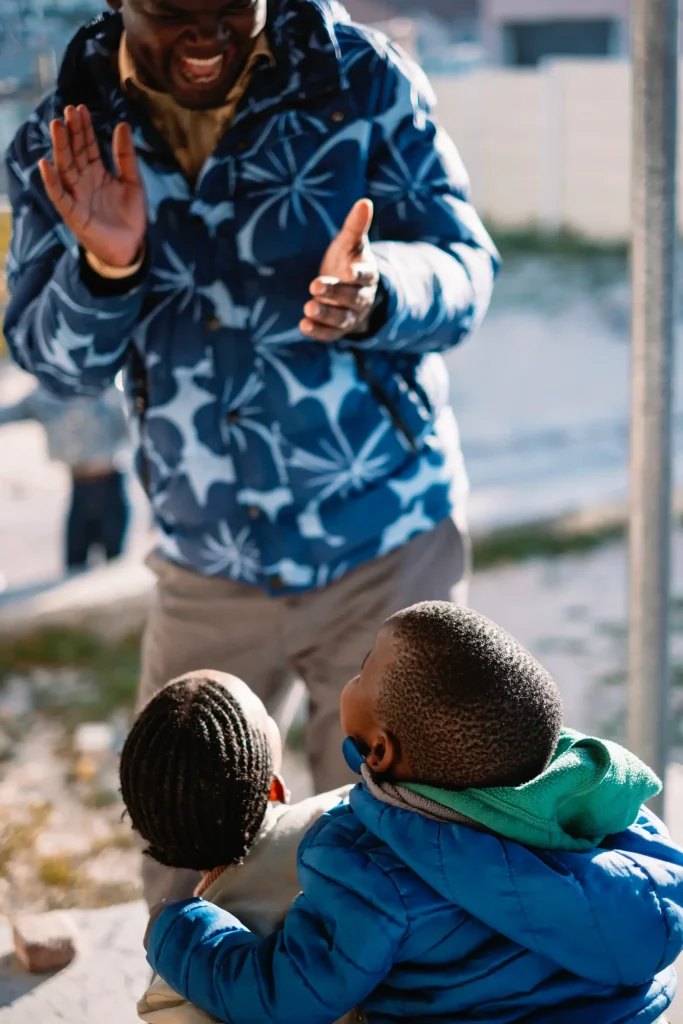
Our Foster Homes
Home from Home operates foster homes in South Africa that provide stable, family-based care for vulnerable children who cannot remain with their biological families. Each home is designed to offer safety, belonging, and long-term support within a nurturing family environment.
As a foster care organisation, we work alongside communities and social workers to ensure that children in our homes receive the care, stability, and opportunities they need to grow and thrive.
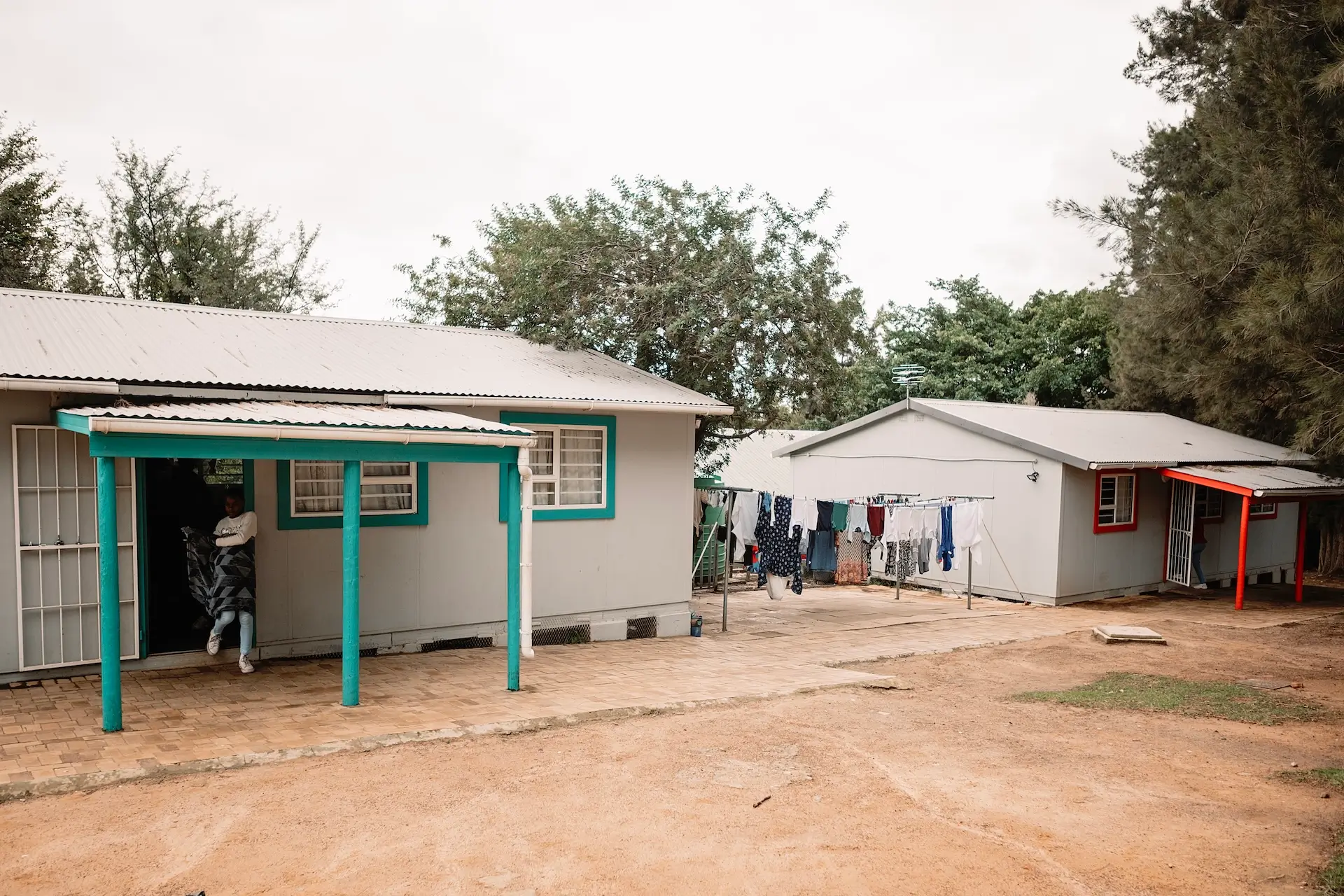
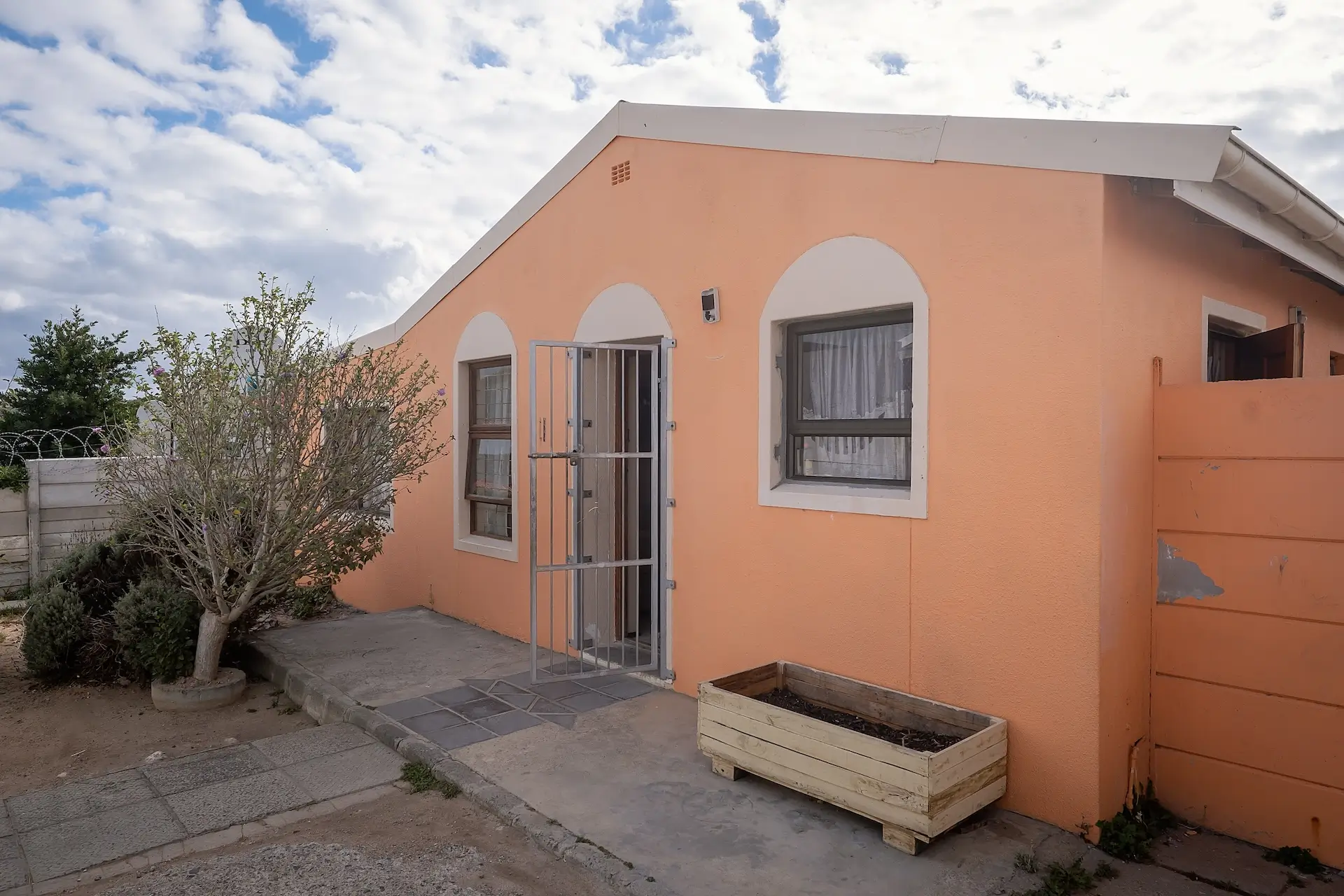
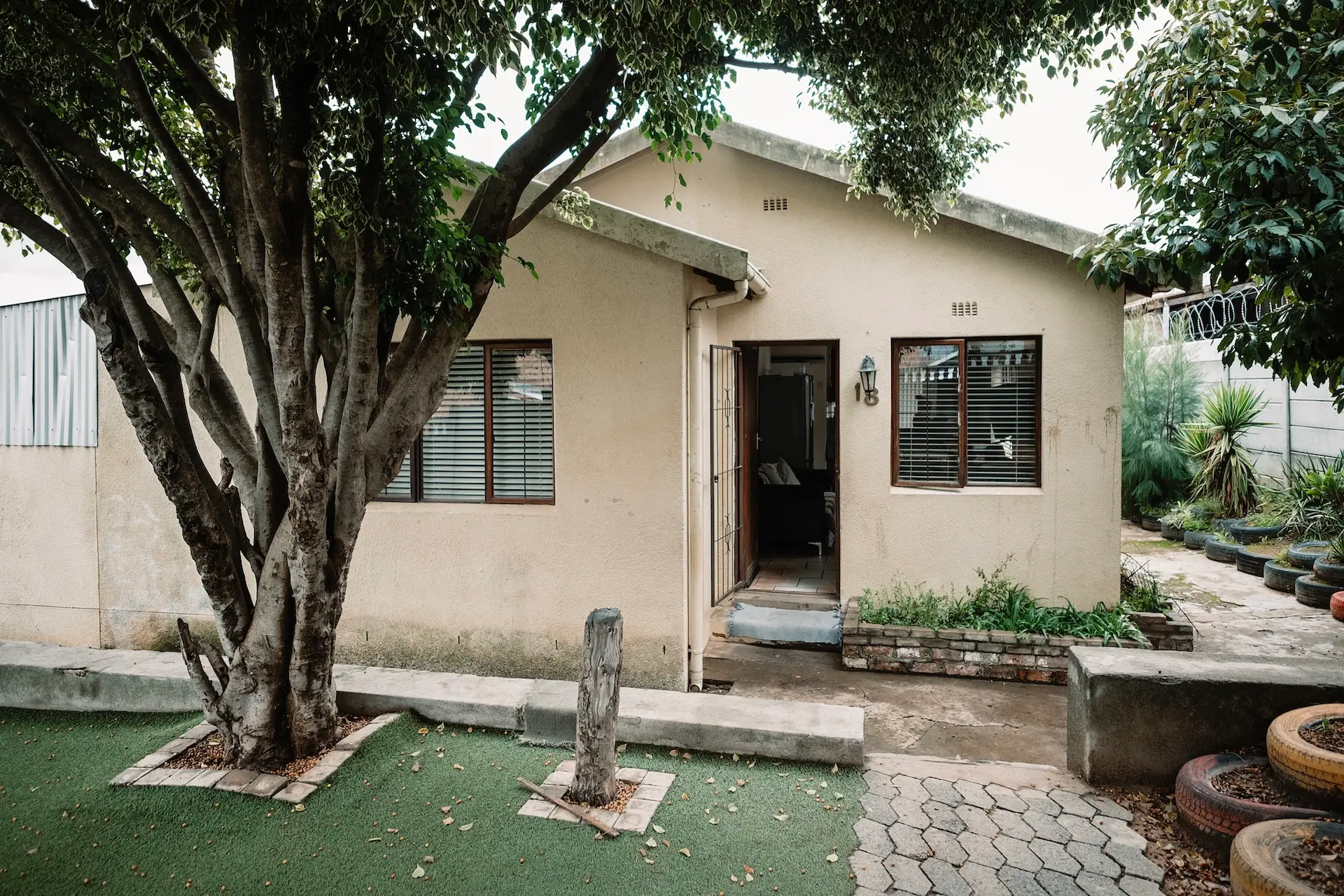
Our Foster Homes
A foster home is a family-style home where children who are unable to live with their biological families receive daily love and care from dedicated foster mothers within a structured and supportive environment.
At Home from Home, each foster home is intentionally designed to reflect a real, loving family setting. Children live in small household groups, participate in everyday routines, and build consistent relationships with foster mothers who provide guidance, stability, and emotional support.
Our homes are based within the communities from which the children originate, helping them remain connected to their culture, language, and local environment. We employ staff who speak the children’s language and understand their cultural context, ensuring that each child feels a sense of belonging within their home and community.
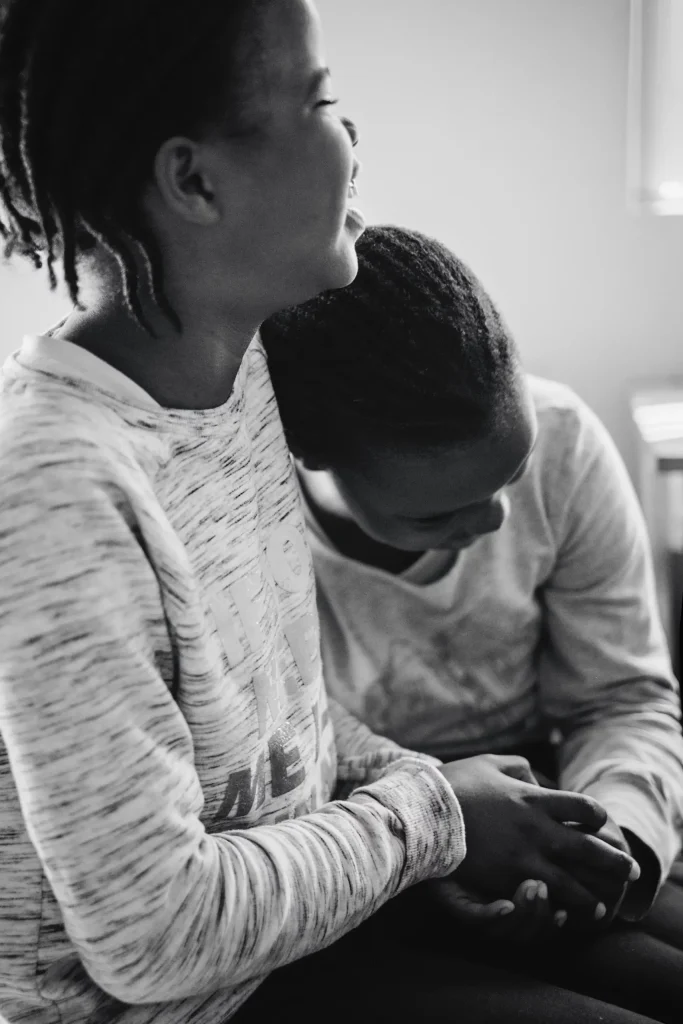
How Our Loving Foster Homes Operate
Each foster home is supported by trained foster mothers who provide day-to-day love, supervision, and nurturing support. Homes are embedded within local communities so that children can attend nearby schools, form friendships, and participate in community life.
Home from Home operates a network of 32 foster homes and 3 Transition Support homes across 16 communities, from Kayamandi to Khayelitsha, Masiphumelele to Zonnebloem and beyond. Through these homes, we are able to care for over 200 children and youth, providing them with the opportunity to grow up in a loving family environment.
We believe that living in a small family unit of no more than six children with a dedicated foster mother or parents is the next best place for children who cannot be cared for by their biological families.
As a foster care organisation, Home from Home works in partnership with social workers, child protection authorities, and community stakeholders to ensure that each placement prioritises the child’s safety and long-term wellbeing.
- 32 Foster homes currently operating
- 3 Independent Living Homes
- 16 Communities served
- Over 200 children and youth supported annually
- 21 Years of operation
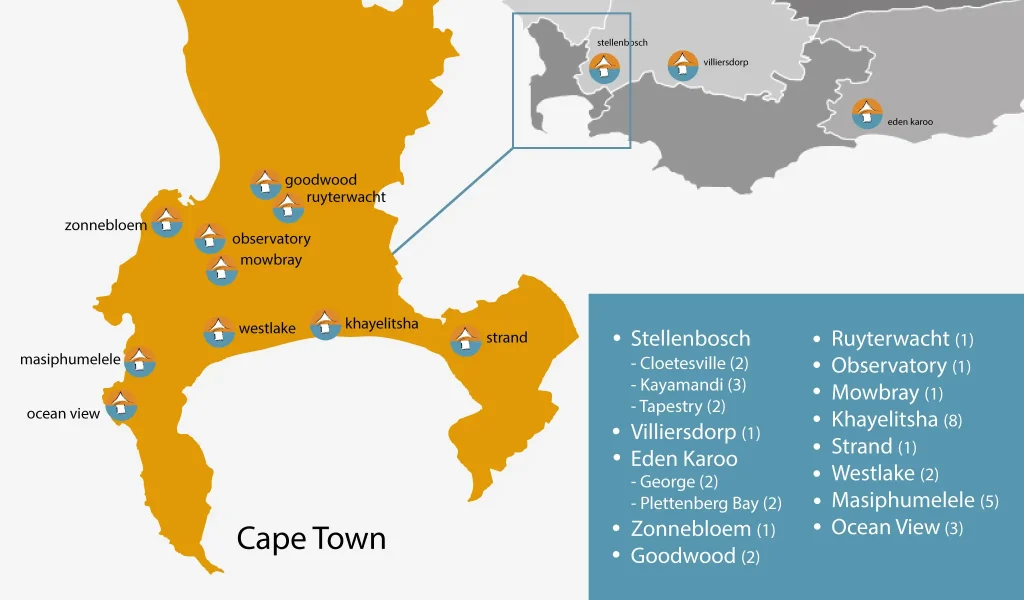
Our Cluster Foster Care Model
Home from Home operates a registered Cluster Foster Care Scheme, a model that enables multiple foster homes to be supported under one organisation while maintaining the benefits of family-based foster care.
Each foster home is led by dedicated foster mothers and embedded within local communities, while receiving ongoing support, training, and oversight from Home from Home’s social work and programme teams.
This approach combines the stability and belonging of a loving family environment with the professional support needed to ensure children receive high-quality care.
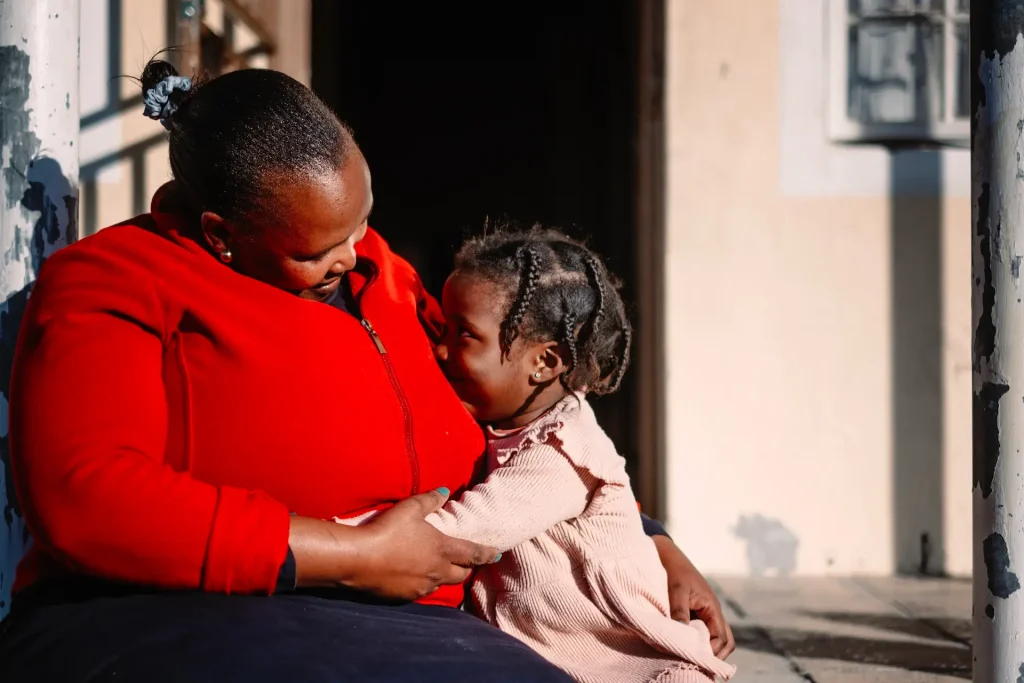
Who Lives in Our Foster Homes?
Children in our foster homes may have experienced neglect, abandonment, abuse, or the loss of parental care. Many come from vulnerable backgrounds and require stability, consistency, and patient support to rebuild trust and confidence.
Our model recognises that healing takes time. Foster homes provide children with:
- A stable daily routine
- Consistent loving foster mother relationships
- Access to education
- Emotional and developmental support
- A sense of belonging within a loving family environment
Over time, this stability allows children to grow in confidence, build resilience, and move toward becoming positively contributing adults to society.
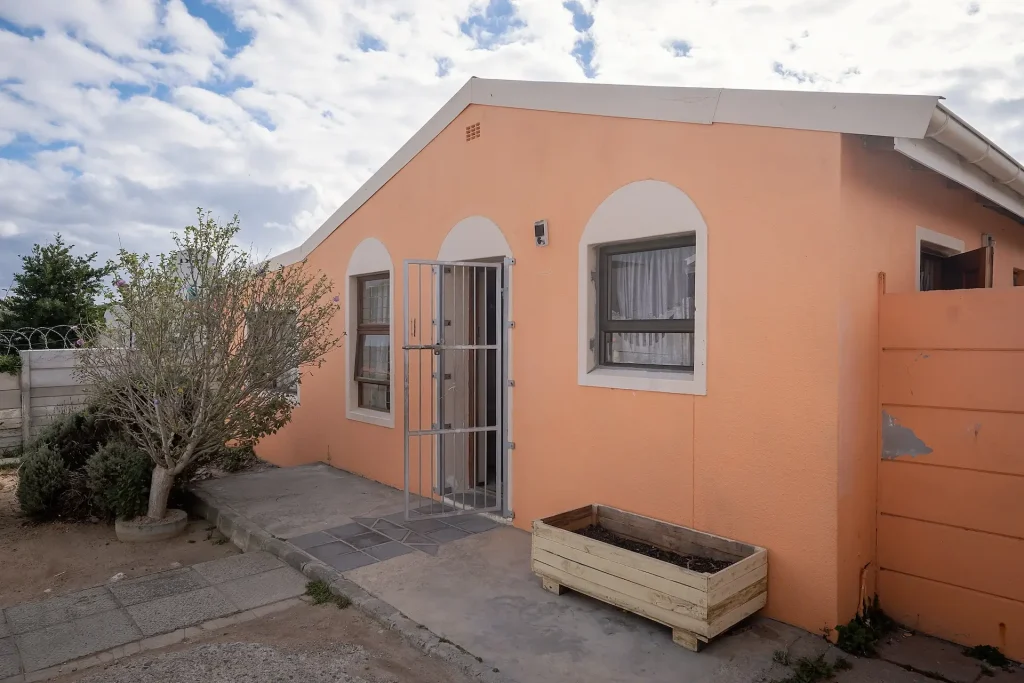
A Loving Family-Based Approach
Home from Home’s foster homes are designed to provide children with the experience of growing up in a loving family environment. Each home offers stability, consistent relationships, and a sense of belonging within a small household setting.
This family-based approach allows foster mothers to build meaningful, long-term relationships with the children in their care, creating an environment where children feel safe, supported, and known.
By prioritising love, stability, and connection, our homes provide the foundation children need to grow, heal, and develop with confidence.
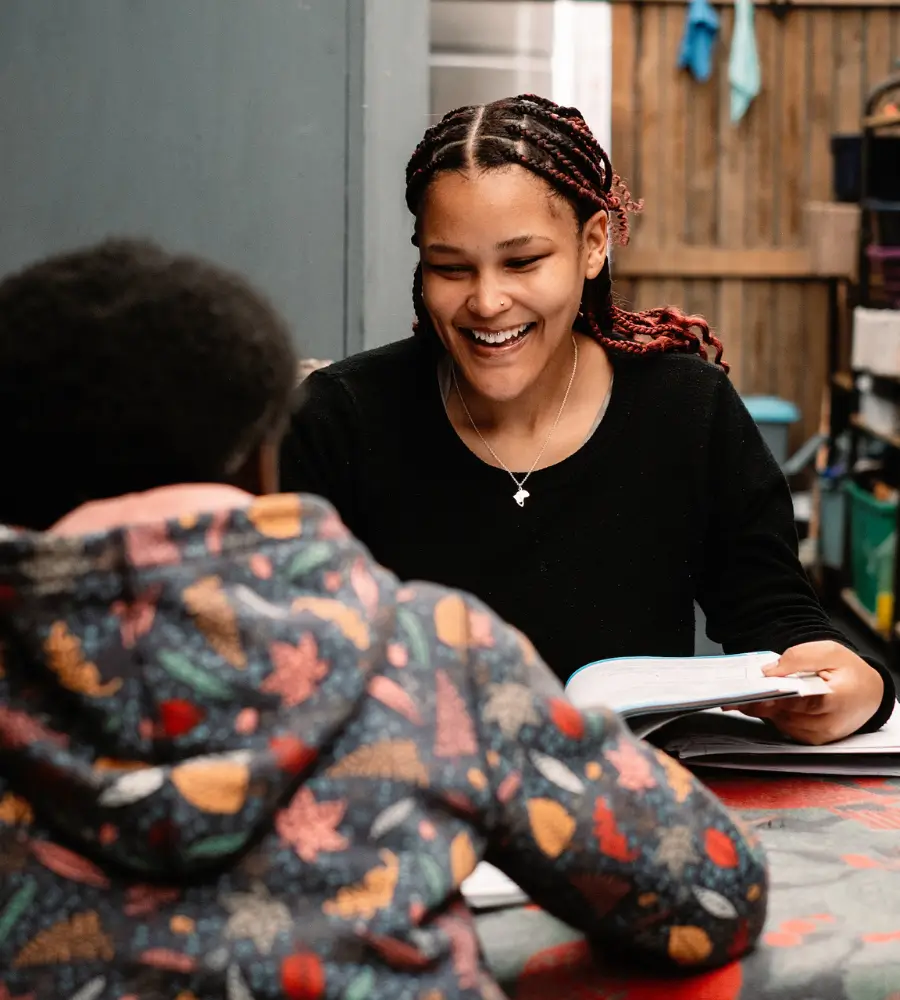
Long-Term Stability and Community Integration
Research consistently shows that children thrive best in stable, family-based environments. Our foster homes prioritise long-term placements, reducing disruption and supporting healthy emotional development.
Children attend local schools, participate in extracurricular activities, and grow up within community networks that reinforce identity and belonging.
Home from Home operates a registered Cluster Foster Care Scheme, where most homes are linked to local community or faith-based organisations. These community-based associates support the establishment and running of the homes, ensuring that foster mothers and children are integrated into their local environment and supported by those around them.
This collaborative model allows us to combine community support with professional oversight, ensuring that each home provides a high standard of care while remaining deeply connected to the community it serves.
In addition to our directly managed homes, there are ten affiliated homes across the Western and Eastern Cape that implement the Home from Home model of care. These affiliates extend our reach and provide homes for an additional 60 children.
Home from Home supports these organisations through training, ongoing support, monitoring, and evaluation, helping ensure consistency and quality across all homes.