
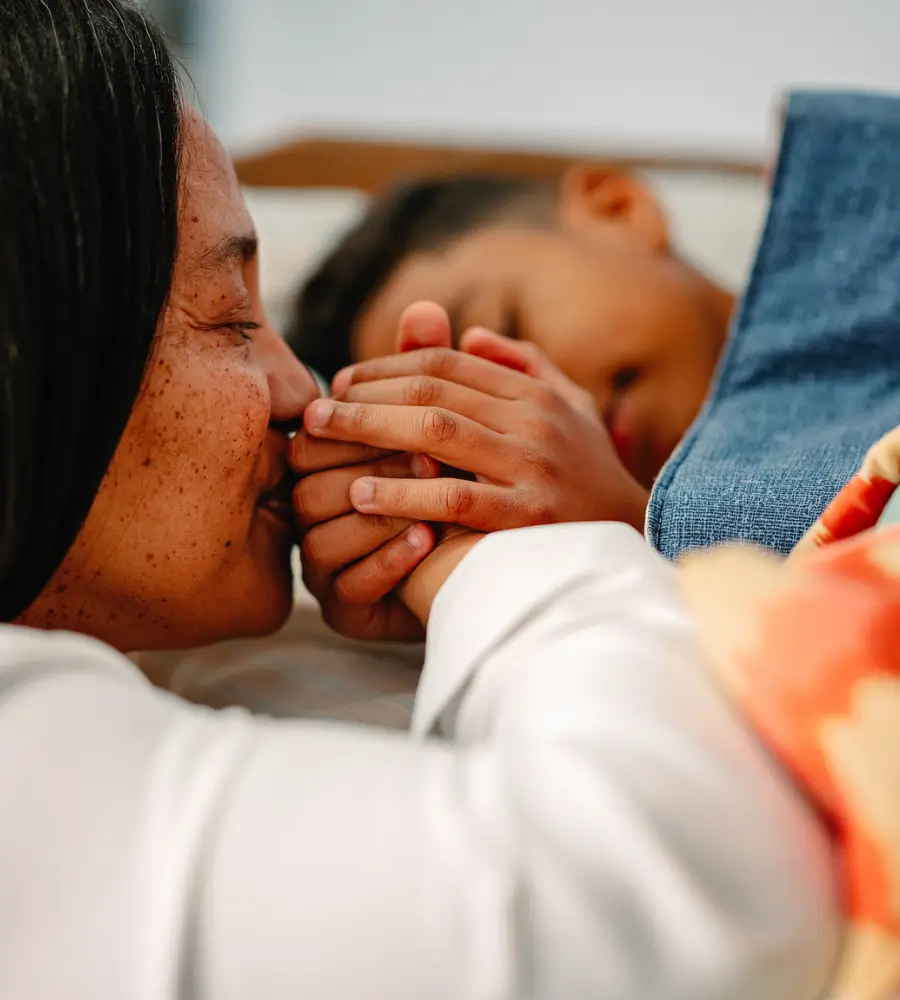
Children thrive when they grow up in safe, loving family environments where they experience stability, belonging, and consistent support. For vulnerable children who cannot remain with their biological families, family-based foster care provides the opportunity to grow within relationships that nurture emotional wellbeing, resilience, and healthy development.
At Home from Home, we believe that loving foster homes can provide children with the care, connection, and support they need to build positive futures.
The Importance of Stable Relationships
Children develop through relationships.
Consistent relationships with trusted adults help children build emotional security, confidence, and a sense of belonging. For children who have experienced neglect, abuse, loss, or instability, these relationships become even more important.
Within loving foster homes, children are able to experience consistent care from dedicated foster mothers who provide daily support, guidance, and encouragement.
Over time, these stable relationships help children rebuild trust and develop resilience.
What Family-Based Care Looks Like
Family-based care focuses on creating a home environment where children experience the rhythms and relationships of everyday family life.
At Home from Home, family-based care is provided through a registered Cluster Foster Care Scheme. Children live in small household groups within loving foster homes where they experience the rhythms and relationships of everyday family life.
While each foster home operates as a family unit, the homes are supported through a wider network of social workers, programmes, and community partnerships. This allows children to benefit from both the belonging of a loving family environment and the additional support structures needed for long-term wellbeing.
Supporting the Whole Child
Children need more than physical safety; they need support across every area of their development.
At Home from Home, family-based foster care is supported through programmes that focus on:
- education and academic support
- emotional and therapeutic support
- life skills and independent living support
- strengthening long-term wellbeing
This holistic approach helps ensure that children receive the care and opportunities they need to grow with confidence.
Community and Belonging
Family-based care is strengthened when children remain connected to their communities.
Home from Home’s foster homes are located within the communities from which the children originate. This helps children maintain cultural connections, attend local schools, and build supportive relationships within their environment.
We employ foster mothers and staff who speak the children’s language and understand their cultural context, helping children feel known, understood, and connected.
Family Is Forever
At Home from Home, we believe that family is forever.
Creating family does not end when a child transitions into independent living. The relationships formed within loving foster homes continue to provide support, encouragement, and belonging well beyond childhood.
This long-term commitment helps young people move into adulthood with the knowledge that they remain connected to a family and support network that cares for them.
Why Loving Foster Homes Matter
Loving foster homes provide children with more than shelter; they provide connection, identity, and hope.
Through stable relationships, community support, and long-term care, children are given the opportunity to heal, grow, and build positive futures.
For many children, the experience of belonging within a loving family environment can shape the course of their lives.
Frequently Asked Questions About Family-Based Care
What is family-based foster care?
Family-based foster care provides children with the opportunity to grow up within a loving family environment where they receive consistent care, emotional support, and stability from dedicated foster mothers.
Why do stable relationships matter for children?
Stable relationships help children develop emotional security, confidence, resilience, and a sense of belonging. For vulnerable children who have experienced trauma or loss, these relationships are especially important.
How does Home from Home support children beyond foster care?
Home from Home provides independent living support and ongoing relationships that help young people transition into adulthood with continued encouragement and connection.
Why are community-based foster homes important?
Community-based foster homes help children remain connected to their language, culture, schools, and local support networks, strengthening their sense of identity and belonging.
What does Home from Home mean by “Family is forever”?
We believe that family does not end when a child leaves a foster home. The loving relationships formed within our homes continue to provide support, connection, and belonging into adulthood.
How You Can Support Family-Based Foster Care
Supporting family-based foster care helps ensure that more vulnerable children can grow up in safe and loving homes.
You can support this work by:
- donating
- partnering with Home from Home
- raising awareness
- supporting community-based foster care initiatives
Your support helps create loving family environments where children can thrive.